Selecting the right materials for your home’s interior is one of the most impactful decisions you’ll make during a renovation or design project. The materials you choose define not only the visual appeal of your space but also its durability, comfort, and long-term value. Many homeowners and designers struggle to balance aesthetic desires with practical needs like maintenance, cost, and environmental suitability. This guide walks you through a systematic approach to material selection, from initial preparation and strategic evaluation to final verification, empowering you to create interiors that are both beautiful and built to last.
Table of Contents
- Preparing To Choose Interior Materials
- Executing Material Selection: Criteria And Options
- Verifying Your Interior Material Choices: Ensuring Long-Term Success
- Enhance Your Interior Projects With Expert Design Services
Key takeaways
| Point | Details |
|---|---|
| Material choice impacts aesthetics and durability | Selecting the right materials ensures your interior is both visually appealing and long-lasting. |
| Preparation involves assessing needs and environment | Understanding room use, traffic, and moisture exposure guides informed decisions. |
| Execution requires evaluating materials through practical criteria | Durability, maintenance, cost, sustainability, and appearance are key evaluation factors. |
| Verification ensures outcomes meet design and functional goals | Post-selection checks and maintenance planning secure long-term success. |
Preparing to choose interior materials
Before you step into a showroom or browse material catalogs, groundwork is essential. Assessing space function and style needs is critical before material selection. Start by identifying how each room will be used. A high-traffic entryway demands different materials than a quiet bedroom. Consider the number of occupants, presence of children or pets, and typical activity levels.
Moisture exposure is another crucial factor. Bathrooms, kitchens, and laundry rooms require water-resistant or waterproof materials, while living rooms and bedrooms can accommodate a broader range of options. Lighting conditions also matter. Natural light can fade certain materials over time, while artificial lighting may alter color perception.
Define your aesthetic style early. Are you drawn to modern minimalism, rustic warmth, or classic elegance? Your style preferences will narrow down material choices significantly. Simultaneously, establish functional priorities. Do you value easy maintenance, sound absorption, or thermal insulation? Ranking these needs helps when trade-offs arise.

Budget setting is non-negotiable. Research typical costs for materials you’re considering and allocate funds realistically across all surfaces: flooring, walls, countertops, and furnishings. Remember to include installation and finishing costs. A beautiful material that exceeds your budget creates stress, not satisfaction.
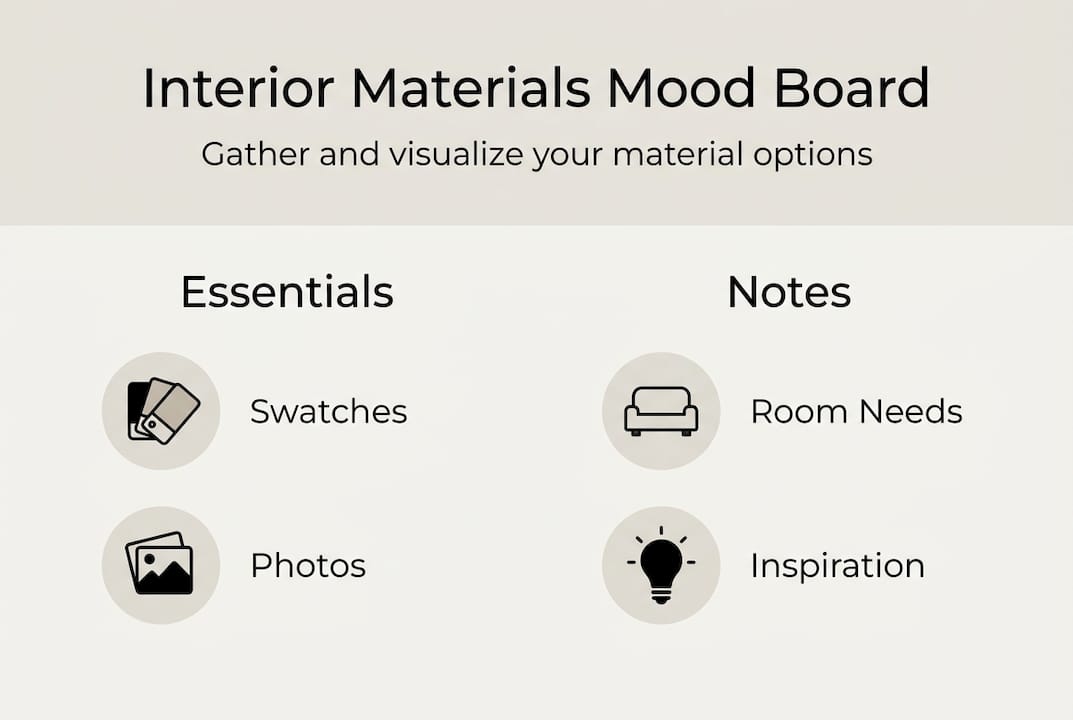
Pro Tip: Create a materials mood board with samples, photos, and notes about each room’s specific needs. This visual reference keeps your vision cohesive and helps communicate your goals to contractors or designers.
Environmental factors extend beyond moisture. Consider your climate. Homes in humid regions need materials that resist mold and warping, while dry climates may cause certain woods to crack. Temperature fluctuations affect expansion and contraction, particularly important for flooring. Evaluate maintenance requirements honestly. Some materials demand regular sealing, polishing, or specialized cleaning. If you prefer low-maintenance living, prioritize durable, forgiving surfaces that age gracefully with minimal intervention.
Executing material selection: criteria and options
Once you’ve prepared by understanding your needs, you are ready to execute a strategic selection of materials. Choosing materials based on durability, cost, and aesthetics ensures balanced decisions. Start with a clear framework of evaluation criteria. Durability ranks high for most homeowners. How well does the material withstand daily wear, impacts, scratches, and stains? Maintenance requirements tie closely to durability. Some materials look stunning initially but demand constant upkeep to maintain their appearance.
Cost encompasses both initial purchase price and long-term expenses. A cheaper material that requires replacement in five years may cost more than a premium option lasting decades. Sustainability matters increasingly to conscious consumers. Look for renewable resources, recycled content, low VOC emissions, and responsible sourcing practices. Appearance remains paramount. Color, texture, pattern, and finish must align with your design vision while complementing other elements in the space.
Let’s explore popular interior material options across categories:
Flooring materials:
- Hardwood offers timeless beauty and can be refinished multiple times, but requires protection from moisture and scratches.
- Engineered wood provides wood’s aesthetic with improved dimensional stability and moisture resistance.
- Tile (ceramic or porcelain) excels in wet areas, offers endless design options, and resists wear exceptionally well.
- Natural stone like marble, granite, or slate delivers luxury and uniqueness but needs regular sealing and careful maintenance.
- Luxury vinyl plank mimics wood or stone convincingly while offering superior water resistance and comfort underfoot.
- Carpet provides warmth and sound absorption but shows wear in high-traffic areas and can trap allergens.
Wall materials:
Paint remains the most versatile and cost-effective option, available in countless colors and finishes. Wallpaper has evolved dramatically, with peel-and-stick options simplifying installation and removal. Wood paneling or shiplap adds texture and warmth. Tile works beautifully as backsplashes or accent walls. Exposed brick or stone creates dramatic focal points.
Countertop materials:
Quartz engineered stone combines beauty with non-porous durability and minimal maintenance. Granite natural stone offers unique patterns but requires periodic sealing. Marble provides unmatched elegance yet stains and etches easily. Butcher block wood creates warm, functional surfaces needing regular oiling. Solid surface materials like Corian offer seamless installations and easy repairs.
| Material Type | Durability | Maintenance | Cost Range | Best Use |
|---|---|---|---|---|
| Hardwood | High | Moderate | $$$ | Living areas, bedrooms |
| Porcelain tile | Very High | Low | $$ | Bathrooms, kitchens, entryways |
| Quartz | Very High | Very Low | $$$ | Countertops, backsplashes |
| Luxury vinyl | High | Very Low | $ | Any room, especially moisture-prone |
| Natural stone | High | High | $$$$ | Feature walls, luxury spaces |
Pro Tip: Request samples of your top material choices and live with them in your space for several days. Observe how they look under different lighting conditions and how they feel during daily activities. This real-world testing prevents costly regrets.
The decision process should follow a logical sequence. First, narrow options based on functional requirements and budget constraints. Second, evaluate remaining choices against aesthetic preferences. Third, research product reviews and manufacturer warranties. Fourth, consult with professionals about installation requirements and potential challenges. Finally, make your selection confidently, knowing you’ve considered all critical factors.
Natural materials bring authenticity, unique character, and often superior longevity. However, they typically cost more, require specialized maintenance, and may have limitations in extreme environments. Engineered alternatives improve consistency, enhance specific performance characteristics, and often reduce costs. Many engineered products now achieve remarkably realistic appearances. The best choice depends on your priorities, budget, and willingness to maintain the material properly.
Verifying your interior material choices: ensuring long-term success
After selecting your ideal materials, the next step is confirming they meet your expectations and project goals. Proper verification helps avoid costly redesign and replacement. Verification begins the moment materials arrive. Inspect every piece carefully before installation. Check for color consistency, pattern matching, and any visible defects like chips, cracks, or warping. Verify quantities match your order and that you have appropriate extra material for future repairs.
Installation quality directly impacts material performance. Ensure installers follow manufacturer specifications precisely. Improper substrate preparation, adhesive selection, or acclimation time can compromise even premium materials. Don’t hesitate to ask questions or request explanations of installation steps. Reputable professionals welcome informed clients.
Develop a maintenance schedule immediately. Different materials have specific care requirements. Wood floors may need refinishing every five to ten years. Stone countertops require periodic sealing. Grout lines benefit from annual resealing to prevent staining. Create a simple calendar reminder system for these tasks. Proactive maintenance prevents minor issues from becoming major problems.
Monitor material performance during the first year particularly closely. This period reveals how materials respond to your household’s specific conditions and usage patterns. Watch for unexpected wear patterns, discoloration, or structural issues. Many problems covered by warranties only qualify if reported within specific timeframes.
Recognize early warning signs that demand attention:
- Unusual sounds when walking on floors may indicate loose installation or substrate problems
- Gaps appearing between planks or tiles suggest improper acclimation or installation
- Persistent stains that resist normal cleaning could mean the material needs resealing
- Fading or discoloration might require adjusting window treatments or lighting
- Cracks or chips need immediate repair to prevent moisture infiltration and further damage
Document your materials thoroughly. Keep receipts, warranty information, product specifications, and extra materials in an organized file. Photograph installations from multiple angles. This documentation proves invaluable for warranty claims, future repairs, or when selling your home.
Consider how your materials age. Some develop attractive patina over time, while others show wear less gracefully. Understanding these characteristics helps set realistic expectations. A lived-in home with materials that age beautifully creates comfortable, authentic spaces. Overly precious materials that show every mark can generate constant stress.
Pro Tip: Create a home maintenance binder with sections for each room’s materials, including care instructions, warranty details, supplier contacts, and maintenance logs. This organized approach simplifies upkeep and adds value when selling your property.
Verification extends beyond physical inspection. Evaluate whether materials deliver the intended aesthetic and functional outcomes. Do the colors work together as envisioned? Does the space feel cohesive? Are surfaces performing as expected under daily use? If something feels off, identify the issue quickly. Sometimes simple adjustments like different lighting or strategic accessorizing resolve concerns without material replacement.
Enhance your interior projects with expert design services
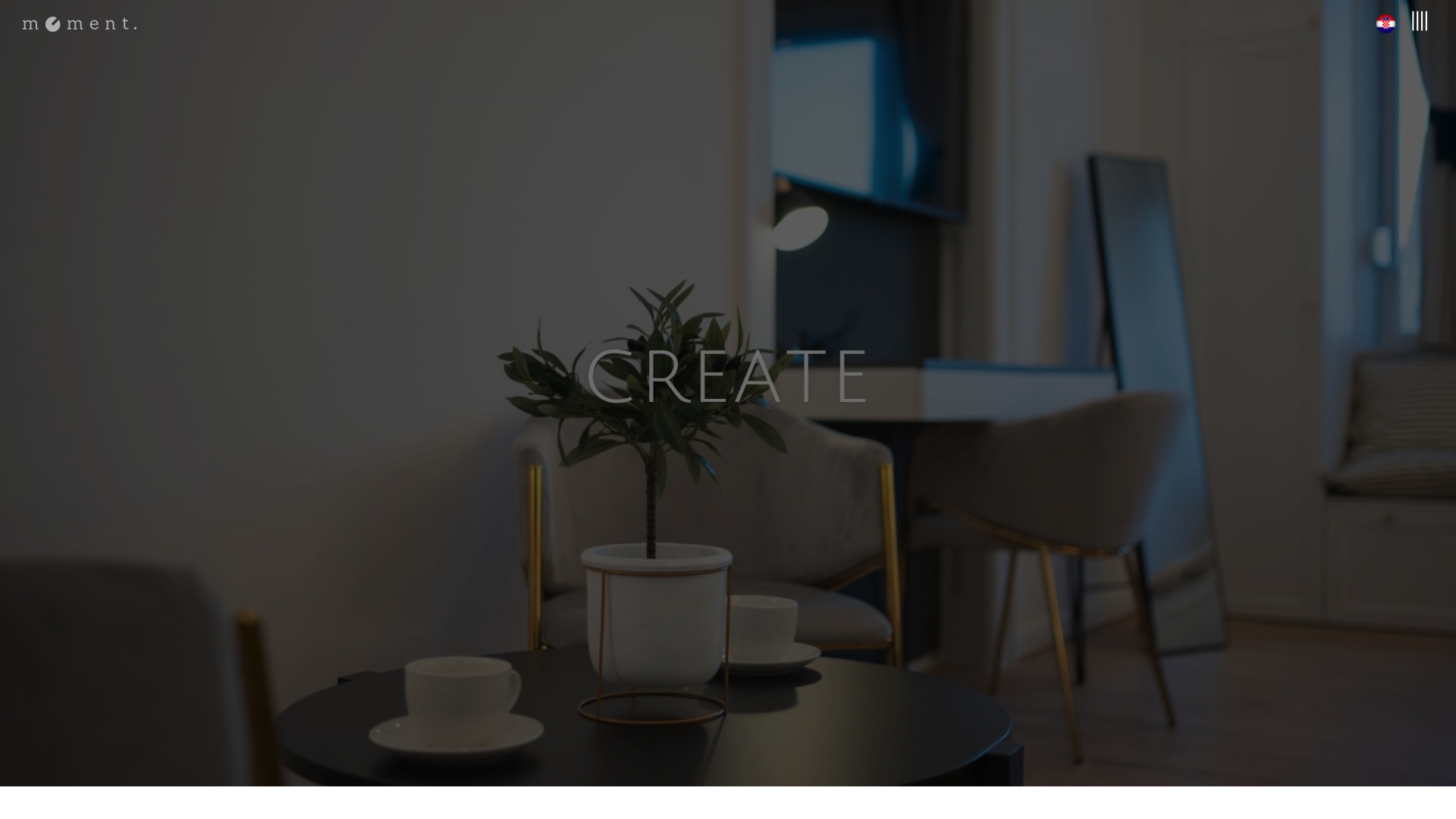
Having verified your choices, let’s now explore how professional design services can elevate your material selection process. Navigating the vast world of interior materials becomes significantly easier with expert guidance. Moment design offers professional design service packages tailored specifically for residential interiors, helping you select materials that marry aesthetics with functionality perfectly. Our approach creates your space in 3D, so you can experience materials, textures, and atmospheres before any physical work begins.
This visualization capability eliminates guesswork and costly mistakes. You’ll see exactly how different materials interact with lighting, furnishings, and architectural features. Our team brings deep knowledge of material properties, sourcing, and installation best practices. We’ve guided countless homeowners through material selection, learning what works beautifully and what creates problems. Explore our portfolio of interior projects to see successful material combinations in real homes. Ready to start your enhanced design experience? Visit the moment design homepage to learn more about how we transform material selection from overwhelming to exciting.
FAQ
How do I balance aesthetics and durability when choosing materials?
Prioritize materials that fit your style and have proven resilience for your space’s use. Start by identifying non-negotiable functional requirements, then narrow aesthetic options within those parameters. Consult professionals or trusted sources to verify durability claims, and always request samples to evaluate both appearance and physical properties. Sometimes the most beautiful choice is also the most practical.
What factors should influence material choice for high-moisture areas?
Opt for water-resistant or waterproof materials like tile, stone, or treated composites in bathrooms, kitchens, and laundry rooms. Avoid porous materials unless properly sealed, and ensure adequate ventilation to prevent moisture accumulation. Consider slip resistance for flooring in wet areas, and choose grout and sealants specifically designed for moisture exposure. Regular maintenance of seals and grout prevents water damage over time.
How can I ensure the selected materials are environmentally friendly?
Look for certifications such as FSC, GREENGUARD, or recycled content labels when evaluating materials. Ask suppliers about the environmental impact and sourcing of materials, including transportation distances and manufacturing processes. Consider the full lifecycle, including durability and eventual disposal or recyclability. Local materials often have lower environmental footprints than imported options, and natural materials that biodegrade safely offer sustainable end-of-life solutions.
Are natural materials always better than engineered alternatives?
Natural materials offer authenticity and unique character but may require more maintenance and careful environmental control. Engineered materials often improve durability, dimensional stability, and consistency at lower costs while reducing waste of natural resources. The best choice depends on your specific priorities, budget, and willingness to maintain materials properly. Many modern engineered products achieve remarkable aesthetic quality while offering superior performance in challenging conditions.